Racing Helmet Illustration Design 3d Review
As a designer who spends half my life staring at stitch charts and the other half trying to sell finished goods, I have learned to be skeptical of any graphic that promises "realism" in embroidery. The gap between a crisp digital vector and a stitched textile reality is where most projects fail. Today, I am putting Racing Helmet Illustration Design 3d through its paces to see if it holds up when translated from screen to fabric. This isn't just about how good it looks on a monitor; it is about whether this design will survive the hoop, the needle, and the customer’s washing machine.
First Impressions: Visual Personality and Mood
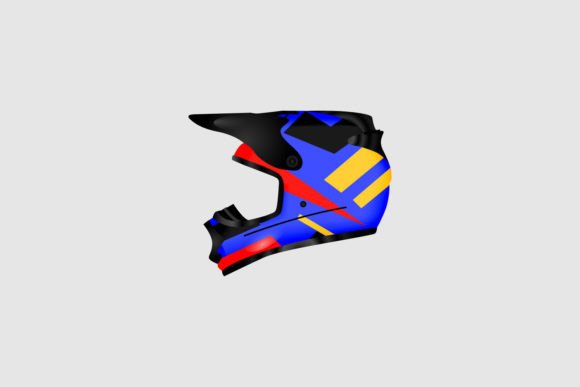
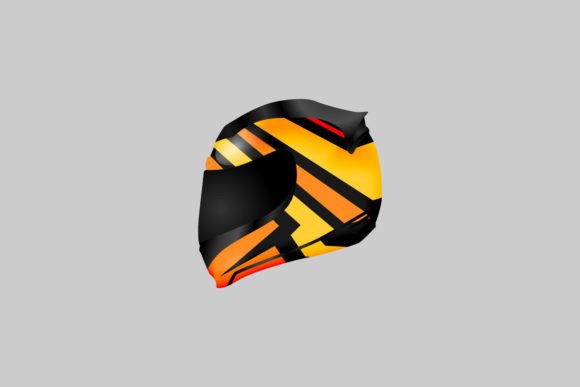
The moment you load Racing Helmet Illustration Design 3d, the mood is immediate. It is not a flat, cartoonish outline; it carries a sense of weight and dimensionality that suggests speed, protection, and high-octane energy. For an embroiderer, this "3d" quality is a double-edged sword. It offers incredible visual appeal for custom apparel, but it demands precision. The illustration feels suited for a boutique branding project or a high-end personalized gift rather than a quick, mass-produced craft fair item. It has a professional polish that says "serious hobbyist" or "small business owner," which instantly elevates the perceived value of the final product.
The layout is clean enough to allow for versatile placement, yet detailed enough to catch the eye from across a room. Whether you are designing for a sweatshirt embroidery project or a subtle tote bag design, the helmet stands out as a strong focal point. It appeals to the gearhead demographic but also works surprisingly well for modern, edgy nursery decor or gender-neutral baby gifts, provided the color palette is adjusted correctly.
Real-World Application: Where This Design Shines
I envision Racing Helmet Illustration Design 3d finding its sweet spot on structured garments and sturdy accessories. Here is where I would deploy this file:
- Sweatshirts and Hoodies: The heavyweight fabric of a cotton blend hoodie provides the perfect stability for the detail work required by this illustration. Placed on the chest or back, it creates a statement piece for custom apparel.
- Embroidered Patches: This design translates beautifully into an embroidered patch. The bold shapes of the helmet lend themselves well to applique design techniques, where a solid base fabric is covered with satin stitches to create a sharp, durable edge.
- Tote Bags and Aprons: For the craft business owner, adding this to a canvas tote bag design adds a touch of industrial chic. Similarly, on a kitchen towel or apron, it breaks away from traditional floral patterns, offering a unique gift option for parents of young racing fans.
- Caps and Hats: While curved surfaces can be tricky, a six-panel cap provides enough structure to render the helmet without excessive distortion. This is ideal for Etsy sellers looking to expand their catalog beyond flat items.
The versatility extends to digital assets as well. As a graphic element, it serves as a powerful component for printable mockups, allowing designers to showcase their services without committing to physical production immediately.
Technical Challenges and Areas of Caution
No design is perfect, and Racing Helmet Illustration Design 3d requires careful handling during digitization and stitching. The primary concern lies in the smaller details. If you attempt to reduce this to fit inside a tiny hoop size, the intricate lines of the visor and vents may merge into an indistinguishable blob. Embroidery relies on negative space and clear separation between thread colors; if the elements are too close together, the result will look muddy.
Furthermore, texture plays a huge role here. On thin or stretchy fabrics, such as lightweight polyester t-shirts or jersey knits, the tension required to render the "3d" shading might cause puckering. In these cases, using a proper stabilizer is non-negotiable. A tear-away or cut-away stabilizer must be matched to the fabric weight to keep the design flat and smooth.
Dense stitch areas are another consideration. To achieve the shaded look implied by the illustration, the design likely utilizes fill stitch heavily. High density increases the risk of thread breakage and needle deflection. It is crucial to check the stitch density before running a full production run. If the design is too dense for the chosen thread type, it may look bulky and stiff rather than soft and integrated into the garment.
Strategic Advice for Designers and Sellers
If you are planning to use Racing Helmet Illustration Design 3d for commercial purposes, you need to think like a consumer. What makes a buyer click "Add to Cart"? Usually, it is the promise of quality and uniqueness. This design delivers on both fronts, but only if executed correctly.
Thread Color Contrast: Do not underestimate the power of thread choice. A white helmet on a black shirt will pop with dramatic contrast, while a silver helmet on a grey background might get lost. Test your thread colors against the fabric before committing to a large order. The interplay between light and dark threads is what sells the "3d" effect in embroidery.
Black and White Mockups: Before finalizing your design file, convert the artwork to black and white. This helps you identify areas where the shape might lose definition. If the silhouette remains strong without color, the design is structurally sound for embroidery.
Licensing and Commercial Use: While the product description mentions files like Ai, Eps, Png, Jpg, and Svg, it is vital to confirm the licensing terms regarding commercial embroidery. Owning the graphic file does not always grant the right to sell the stitched finished product. Always verify whether you are purchasing a personal use license or a commercial license for your small shop product. Selling handmade products with unlicensed designs can lead to serious legal issues.
Final Verdict
Racing Helmet Illustration Design 3d is a robust, visually striking asset that bridges the gap between digital illustration and tactile craft. It is best suited for experienced embroiderers who understand how to manage stitch density and fabric tension. For the beginner, it offers a challenging but rewarding project that can significantly upgrade their portfolio.
Whether you are creating a personalized gift for a nephew, launching a line of racing-themed merch for your Etsy listing, or simply experimenting with new design assets, this illustration provides a strong foundation. It respects the medium of embroidery while pushing the boundaries of what a standard graphic can achieve on fabric. Just remember to test on scrap fabric first, choose your stabilizer wisely, and let the quality of the execution speak for itself. When done right, this design doesn't just sit on the garment; it drives the entire aesthetic forward.