Girl with VAR Icon Embroidery Review
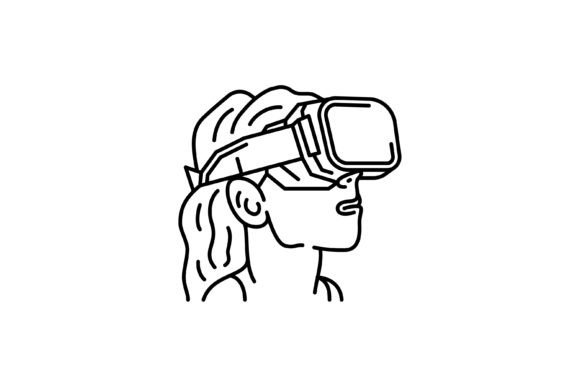
As a designer who spends more time looking at stitch lines than actual screens, I approach every new digital asset with a mix of curiosity and skepticism. The market is flooded with clip art that looks great on a monitor but falls apart under the needle. Recently, I evaluated the Girl with VAR Icon, a line-style doodle featuring a girl in a VR helmet and controllers. My goal was to determine if this machine embroidery design holds up when translated from a vector graphic into thread for real-world applications like custom apparel, boutique merch, or personalized gifts.
This review isn’t just about aesthetics; it’s about execution. Can this embroidery file survive the rigors of production? Does it offer enough visual interest to justify its placement on a product? Here is my practical assessment based on hypothetical stitching scenarios and industry standards.
First Impressions: Mood and Visual Personality
The immediate appeal of the Girl with VAR Icon lies in its simplicity. It is a line style drawing, which immediately suggests a lighter, less dense final product compared to traditional fill-heavy designs. The subject matter—a young woman engaged with virtual reality—carries a modern, tech-savvy, and playful energy. This makes it an excellent candidate for brands targeting Gen Z, gamers, or tech enthusiasts.
Visually, the design feels balanced. The central figure of the girl provides a strong focal point, while the surrounding elements (the VR icon, controllers) add context without creating clutter. In terms of design assets, this level of detail is crucial. Too much detail in a line-art style can result in a muddy mess when stitched, but this particular composition seems to have enough negative space to breathe. It feels clean, contemporary, and highly suitable for a handmade product that aims for a chic, rather than kitschy, aesthetic.
Real-World Application: Where Does It Fit?
I often ask myself, "Where would I put this?" when reviewing a new design. The Girl with VAR Icon has surprising versatility across several categories:
- Custom Apparel & Sweatshirt Embroidery: Placed on the chest of a crewneck sweatshirt or the pocket area of a hoodie, this design adds a subtle pop of personality. Because it is line-based, it won’t weigh down the fabric as much as a heavy satin block, making it comfortable for daily wear.
- Tote Bag Design: Canvas tote bags are a staple for Etsy sellers. A single, well-executed line art design on one side of a bag looks professional and artistic. It pairs well with simple typography for a coffee shop or bookstore brand.
- Baby Embryoidery & Nursery Decor: Surprisingly, the soft, doodle-like quality works well for baby items. Imagine this embroidered on a muslin burp cloth or a small blanket. The theme is neutral enough to be appealing to parents who appreciate modern art over traditional nursery motifs.
- Embroidered Patch: If you are selling patches, this design translates beautifully. The clear outlines make for distinct edges, which is essential for a high-quality patch finish.
- Holiday Embryoidery: While not explicitly holiday-themed, the "gamer" angle makes it a perfect gift idea for the tech-savvy teen in your life during birthdays or winter holidays.
For the Etsy seller or small business owner, this design offers a unique niche. It moves away from the oversaturated floral or quote-based designs and taps into the growing culture of gaming and digital wellness.
Technical Performance and Stitch Clarity
When converting a digital embroidery file into thread, the most critical factor is stitch density and clarity. Line art relies heavily on running stitch and potentially thin satin stitch outlines. If the lines are too thin, they may disappear into the fabric grain. If they are too thick, the design loses its delicate character.
In theory, the Girl with VAR Icon performs well here because the source is described as "drawn line art." This implies that the vectors are likely continuous and smooth, which reduces the need for excessive jump stitches or complex trimming. However, the presence of smaller details—the VR glasses lenses and controller buttons—requires careful attention. These areas must be large enough to be distinguished by the human eye after stitching. If these elements are scaled down too small, they will look like random blobs of thread.
Furthermore, the use of fill stitch should be minimal or non-existent in a true line-art design. If the designer used fill to simulate shading, it might create bulk. Ideally, this design should rely on contrast and line weight to create depth. When testing, I always check how the stitch density affects the drape of the fabric. A design that is too dense can make a lightweight t-shirt feel stiff and uncomfortable.
Color and Contrast Considerations
The success of any line-art embroidery depends entirely on thread color choice against the fabric background. Since the original graphic is isolated on a white background, it assumes a dark or contrasting fabric for maximum visibility. On light fabrics, you might need a backing or a different thread color strategy to ensure the lines pop. For a custom apparel project, choosing a thread color that complements the garment (e.g., white thread on navy, or black on heather grey) is essential for a polished finished product.
Areas for Caution and Careful Execution
While the design has many strengths, there are specific scenarios where caution is advised:
- Small Hoop Sizes: If you attempt to digitize or stitch this in a very small hoop (under 4x4 inches), the fine lines may become distorted or lost. Ensure your hoop size allows for adequate spacing between elements.
- Textured Fabrics: Avoid placing this design on heavily textured fabrics like chunky knits or bouclé. The irregular surface will interfere with the precision of the line art, causing threads to skip or bunch.
- Stretchy Fabrics: Jersey knits and spandex blends require proper stabilizer support. Without it, the tension of the running stitch can pucker the fabric, distorting the face of the girl or the shape of the VR headset.
- Dense Stitch Areas: Although it is line art, if the digital version includes dense outlining around the helmet, it could create a hard edge. Always inspect these corners during testing.
Practical Designer Notes for Implementation
Before committing this embroidery project to a commercial run or a personal gift, follow these steps to ensure quality:
- Test on Scrap Fabric: Never trust a screen preview. Stitch the design on the exact fabric you plan to use. Check for puckering, thread breaks, and clarity of small details.
- Check Thread Color Contrast: Use a printable mockup or physical swatches to see how different thread colors interact with your fabric. Black thread on black fabric is invisible; white on white is the same. Aim for contrast.
- Inspect Small Details: Zoom in on the VR controllers and glasses. Are the lines crisp? Do they merge together? If so, consider simplifying the design or increasing the scale.
- Confirm Licensing: As a craft business owner, you must verify the licensing terms. Does the purchase allow for commercial use of the finished goods? Is there a limit on the number of units you can sell? Clear licensing protects your brand consistency and legal standing.
- Use Proper Stabilizer: Depending on the fabric, use cut-away or tear-away stabilizer to maintain the integrity of the design during washing and wear.
Final Verdict
The Girl with VAR Icon is a strong contender for designers looking to expand into modern, lifestyle-oriented niches. Its clean line art style offers a sophisticated alternative to busy, colorful designs, making it highly adaptable for personalized gifts, boutique branding, and commercial embroidery. By paying attention to stitch density, fabric choice, and color contrast, you can transform this digital graphic into a stunning handmade product that resonates with today’s creative consumers. It is a versatile addition to any graphics library focused on contemporary themes.