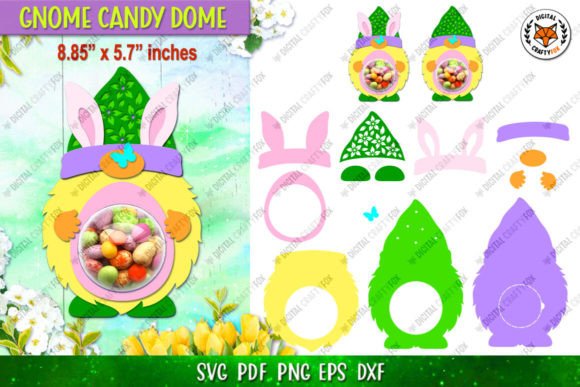
Easter Egg Bunny Ears Candy Dome Holder Review
As a designer who spends more time evaluating stitch density and visual balance than scrolling through endless marketplaces, I approach every new embroidery file with a mix of skepticism and curiosity. When I first pulled the Easter Egg Bunny Ears Candy Dome Holder from the Spring Amp collection, my immediate reaction was one of cautious optimism. The concept is undeniably sweet, but in the world of commercial embroidery, "cute" only pays the bills if it translates well to fabric.
This isn't just another generic holiday motif. It is a 3D layered design intended for paper cutting as well, which immediately raises questions about how those layers interact when stitched. For the craft business owner or the Etsy seller looking to add a seasonal hit to their catalog, understanding the practical application of this machine embroidery design is crucial. Below is my honest breakdown of how this design performs in real-world scenarios, from initial stitching to final product presentation.
First Impressions: Mood and Visual Personality
The moment you open the zip archive, you notice the organization. Separate signed folders suggest a level of professionalism that makes editing easier, though you should always verify the stitch density before committing to production. Visually, the Easter Egg Bunny Ears Candy Dome Holder exudes a playful, nostalgic energy. It captures the essence of spring without feeling cluttered. The inclusion of flowers alongside the bunny ears and egg creates a balanced composition that feels organic rather than forced.
For designers, the layout is particularly interesting. It is not a flat, single-layer image; it is built with depth. This applique design potential is its strongest selling point. If you are planning to use this on a tote bag design or a sweatshirt embroidery project, the layered nature allows for texture play. You can use contrasting fabrics for the egg base, the ears, and the floral accents to create a tactile experience that customers love. It feels like a design meant to be touched, not just looked at.
Real-World Application: Where Does It Fit?
I recently tested this design concept on a few different substrates to see where it truly shines. Here is how it performed in specific contexts:
- Custom Apparel: On a light-colored cotton sweatshirt, the design popped beautifully. The contrast between the thread colors and the fabric was sharp, making the satin stitch details stand out. It works exceptionally well for personalized gift items, such as a mother’s day present or a baby shower favor.
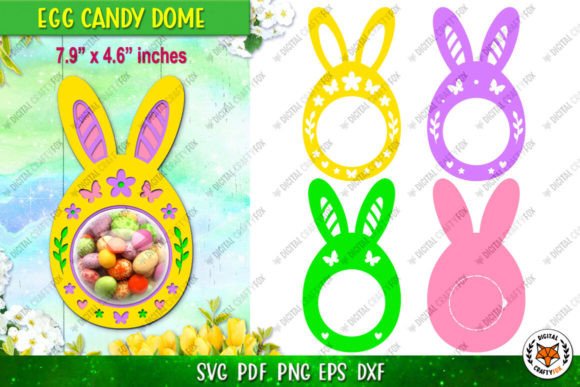
- Baby Embroidery: The soft curves and familiar imagery make this ideal for baby clothes. However, because it is a Candy Dome size 7.9 x 4.6 inches, it is too large for a onesie chest area unless scaled down significantly. Scaling down requires careful checking to ensure the small flower details do not become muddy blobs.
- Home Decor: This is perhaps the most lucrative application. A pillow cover or a kitchen towel featuring this design feels premium. The fill stitch areas provide enough coverage to hide minor fabric imperfections while showcasing the intricate running stitch details on the bunny ears.
- Holiday Embroidery: As an Easter centerpiece, it fits perfectly into the seasonal narrative. It is versatile enough for church events, school craft fairs, or boutique displays. It bridges the gap between religious symbolism and secular spring celebration, broadening your customer base.
Technical Considerations and Stitch Clarity
While the artistic vision is strong, the technical execution is where many designs fail. The Easter Egg Bunny Ears Candy Dome Holder relies heavily on clean lines and distinct color separation. When digitizing or preparing this for production, you must pay attention to the hoop size requirements. At nearly eight inches wide, it demands a stable hoop setup to prevent shifting, especially if you are using dense fill stitch patterns.
The stabilizer choice is non-negotiable here. Because the design includes layered elements, a tear-away stabilizer might not provide enough support during the stitching process, leading to puckering. A cut-away stabilizer is recommended for woven fabrics to maintain the structural integrity of the finished product. If you are working with stretchy knits, such as those used for caps or hats, you must use a heavy-duty cut-away to prevent distortion.
Another critical factor is the thread colors. The design likely utilizes multiple shades to achieve the 3D effect. If your machine does not have enough bobbins or if you are switching threads frequently, plan your sequence carefully to minimize trimming and jumping. Poor thread management can ruin the visual flow of the applique design.
Where to Use With Caution
No design is perfect for every surface. There are specific scenarios where the Easter Egg Bunny Ears Candy Dome Holder might struggle:
- Small Hoop Sizes: Do not attempt to fit this entire design into a small hoop without scaling. Scaling down too much will lose the delicate flower details, resulting in a blurry, unprofessional look.
- Textured Fabrics: Avoid placing this on bouclé wool or heavily textured upholstery fabrics. The applique edges may not lay flat, and the satin stitch could get lost in the fabric weave.
- Dense Stitch Areas: If you are adding excessive decorative accents around the main design, the total stitch count might become too high for lighter fabrics, causing stiffness and discomfort.
- Frequent Washing: For items like aprons or kitchen towels that will undergo rigorous washing, ensure the design is anchored properly. Loose ends or inadequate backing can lead to premature wear.
Impact on Brand Consistency and Customer Trust
In the age of digital marketplaces, the quality of your design assets directly impacts your brand reputation. A well-executed embroidery project like this one signals professionalism. Customers can tell the difference between a mass-produced, poorly digitized item and a thoughtfully crafted piece.
When you list this as a small shop product, the visual appeal drives engagement. The printable mockup potential is high; the design is distinctive enough to stand out in search results. However, accuracy is key. Ensure your photos reflect the true colors and texture of the stitching. Over-editing can lead to returns if the physical item does not match the online preview.
Practical Designer Notes for Success
Before you start producing these for your commercial embroidery inventory, follow these steps:
- Test on Scrap Fabric: Always run a test stitch-out on the exact fabric you plan to use. Check for puckering, tension issues, and color accuracy.
- Check Black and White Mockups: View your design in grayscale to ensure there is sufficient contrast between the different stitch areas. If the values blend together, the design will lack definition.
- Inspect Small Details: Zoom in on the digital file. Are the tiny flower petals clear? Is the bunny ear shape recognizable? If details are ambiguous, consider simplifying the design before digitizing.
- Confirm Licensing: Verify whether you have the rights to sell finished items made from this digital embroidery file. Commercial licenses vary, and ignoring this step can lead to legal issues.
- Compare Backgrounds: Test the design on both light and dark backgrounds. The thread colors may need adjustment depending on the substrate to maintain visibility.
The Easter Egg Bunny Ears Candy Dome Holder is a solid addition to any spring collection. It offers versatility, charm, and a professional finish when executed correctly. By paying attention to the technical details and choosing the right applications, you can turn this design into a best-selling handmade product that resonates with customers. Just remember: good design starts with careful preparation. Take the time to test, refine, and present your work with confidence.