Construction Helmet Vector Drawing Review
As a designer who spends half my life staring at stitch charts and the other half troubleshooting tension issues on my embroidery machine, I have learned to be skeptical of any design that looks too perfect on screen. There is a distinct gap between a vector file and a stitched product. That is why I approach every new asset with a critical eye, asking not just how it looks, but how it behaves under the needle. Today, I am evaluating the Construction Helmet Vector Drawing, a graphic tagged with safety, industrial, yellow, and protection themes. My goal here is to determine if this asset has the staying power for real-world projects or if it belongs in the digital graveyard of unused downloads.
First Impressions and Visual Personality
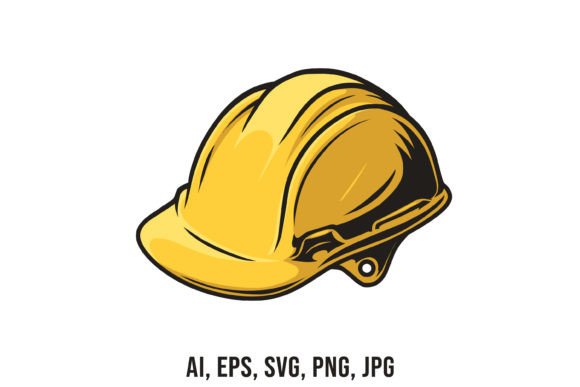
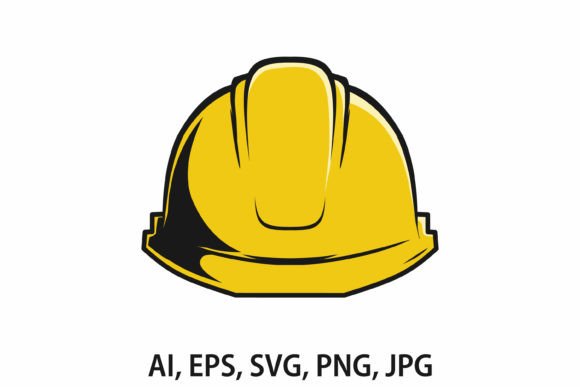
The moment you open the file, the visual personality of the Construction Helmet Vector Drawing is immediately clear. It carries a bold, utilitarian mood. The shape is recognizable, leveraging the iconic silhouette of a hardhat that signals industry, labor, and safety without needing words. For designers working in the Crafts category, specifically within Graphics for apparel or home decor, this recognition factor is invaluable. It communicates a specific vibe: rugged, reliable, and functional.
From a layout perspective, the vector nature of the file suggests clean lines and scalable geometry. This is crucial for embroidery because complex, messy outlines can turn into tangled messes during digitization. The design feels structured, which usually translates to better stitch placement. It does not scream "cute" or "whimsical"; instead, it offers a grounded, professional aesthetic. This makes it an excellent candidate for brands that want to project strength or durability, whether that is a construction company logo, a DIY enthusiast’s brand, or a workshop merchandise line.
Real-World Application: Where Does It Fit?
I recently found myself considering this design for a custom order involving personalized gifts for a local trade school graduation. The client wanted something that honored their daughter’s choice to study civil engineering. The Construction Helmet Vector Drawing felt like the perfect anchor for such a project. Here is how I see it performing across various common embroidery scenarios:
- Custom Apparel and Sweatshirts: A classic crewneck sweatshirt embroidered with this helmet design creates an instant statement piece. It works well as a chest-left placement for a subtle nod to the wearer’s profession or major. On heavier fabrics like fleece or cotton blends, the structure of the helmet holds up beautifully against the texture of the garment.
- Tote Bag Design: Canvas totes are staples for craft fairs and Etsy sellers. Placing this design centrally on a heavy-duty tote bag appeals to tradespeople who need durable bags for tools. The bold lines of the vector translate well to the coarse weave of canvas, ensuring the design remains legible even after years of use.
- Baby Embroidery and Nursery Decor: This might seem counterintuitive, but there is a growing market for "little builder" themed nursery items. A soft onesie or a muslin blanket featuring a simplified version of this helmet adds a unique touch to baby showers for parents in the construction industry. The key here is simplifying the details so it remains gentle and appropriate for infant wear.
- Embroidered Patch: For mechanics, contractors, or DIY hobbyists, patches are essential for personalizing toolboxes or jackets. The strong outline of the helmet lends itself perfectly to a patch format, likely utilizing a dense satin stitch border to prevent fraying and add a polished finish.
- Holiday Embroidery and Gifts: During the holidays, personalized gifts sell well. This design could be adapted for Father’s Day gifts, Christmas stockings for dads who work in trades, or birthday presents for aspiring engineers. Its universal appeal to anyone who appreciates building and creating makes it a versatile commercial asset.
Technical Considerations and Stitching Challenges
While the concept is strong, no design is without its pitfalls. When planning to use the Construction Helmet Vector Drawing in a commercial embroidery project, several technical factors must be addressed to ensure a high-quality finished product.
Hoop Size and Detail Level: If you plan to place this design on a small item, such as a cap brim or a wrist cuff, you must verify the hoop size compatibility. Small hoops often force the digitizer to simplify details. If the vector contains intricate vents or fine text on the helmet, these may become muddy or lost entirely when stitched at a reduced scale. Always test the design in your intended final size before committing to a bulk production run.
Fabric Texture and Stabilizer: The performance of this design will vary significantly depending on the fabric. On smooth, stable fabrics like twill or tightly woven cotton, the stitches will lay flat and crisp. However, on textured fabrics like denim or boucle, the background noise of the fabric can interfere with the clarity of the helmet’s edges. In these cases, using a proper stabilizer is non-negotiable. A cut-away stabilizer is recommended for garments that will undergo frequent washing, while a tear-away might suffice for one-time use items like party favors.
Thread Colors and Contrast: The tags mention "yellow," which is the traditional color for safety helmets. However, bright yellow thread can sometimes appear garish or fade quickly under UV light. I recommend experimenting with muted golds or ochres for a more sophisticated look, especially on dark fabrics. Conversely, if stitching on light fabric, a true safety yellow provides excellent visibility. Always check thread color contrast by viewing your design in black and white mockups; this helps ensure that the highlights and shadows of the helmet remain distinct.
Dense Stitch Areas: Construction helmets are solid objects, meaning large areas of fill stitch may be required. High stitch density can cause puckering, particularly on lightweight or stretchy fabrics like jersey knits. To mitigate this, consider reducing the stitch density slightly or using a running stitch for certain internal details to reduce bulk. This is especially important for baby embroidery, where comfort is paramount.
Design Assets and Commercial Use
For Etsy sellers and small shop owners, the versatility of this digital embroidery file extends beyond physical products. You can use the vector graphics to create printable mockups for your online store, allowing customers to visualize the design on different garments before purchasing. Additionally, this design fits well into bundles of design assets aimed at the DIY community, such as "Back to School for Trades" or "Father’s Day Gift Guide" collections.
However, before incorporating this into your craft business inventory, confirm the licensing terms. While the file formats (ai, eps, svg, png, jpg) suggest broad usability, commercial rights vary by creator. Ensure you have the right to sell finished items made from this design, and clarify whether you can redistribute the digital file itself. Transparency with your customers builds trust and protects your brand reputation.
Final Verdict
The Construction Helmet Vector Drawing is a solid, functional asset for any designer working in the industrial, safety, or DIY niches. It offers strong visual recognition and a professional aesthetic that translates well to a variety of mediums, from heavy-duty aprons to delicate baby clothes. By paying attention to stitch density, fabric choice, and proper stabilization, you can avoid common embroidery pitfalls and create a finished product that customers will appreciate for its quality and relevance. It is not just a graphic; it is a symbol of craftsmanship that, when executed well, resonates deeply with its audience.