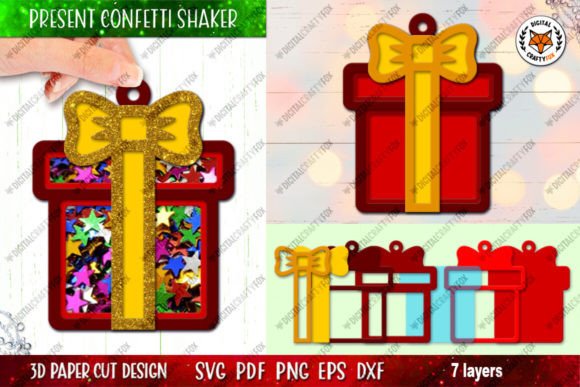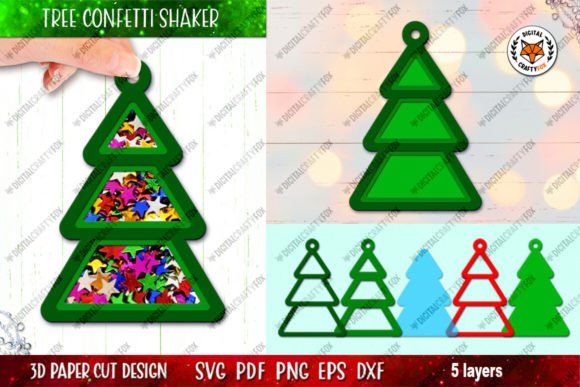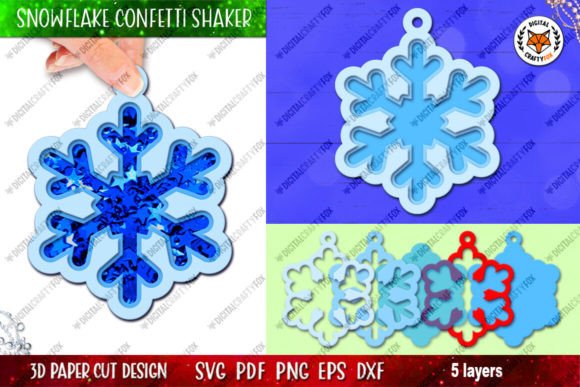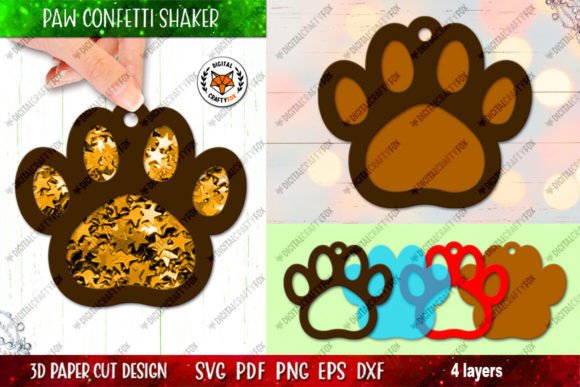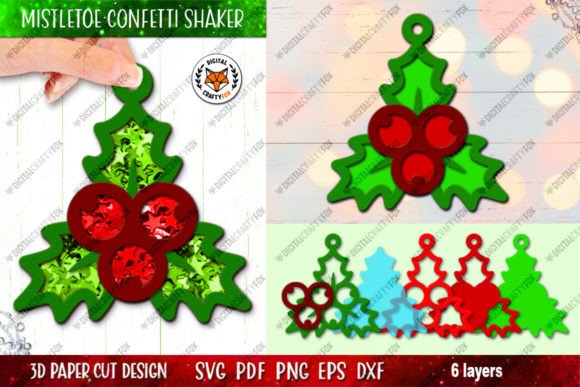
Christmas Mistletoe Confetti Shaker, 3D
As a designer who spends half my day staring at stitch charts and the other half troubleshooting tension issues on vintage machines, I have learned to trust my gut before I ever thread a needle. When I first looked at the Christmas Mistletoe Confetti Shaker, 3D file, my immediate reaction was curiosity mixed with caution. It is not your standard flat holiday motif. The description highlights it as a "3D Christmas toy" created through a "3D layered design," which immediately signals that this is not just a simple machine embroidery design meant for quick stitching on a tote bag. It is a structural project.
The concept relies on layering—using thick cardboard, felt, or foam foamin to create height and hold confetti. This changes everything about how we evaluate its utility. For an Etsy seller or a small shop product creator, this offers a unique selling proposition: tactile engagement. However, for the embroidery designer, it presents specific challenges regarding stability, fabric choice, and final presentation. Below is my practical review of how this design fits into real-world projects, from personal gifts to commercial merchandise.
First Impressions and Visual Personality
The mood of the Christmas Mistletoe Confetti Shaker, 3D design is undeniably festive but also playful. Unlike traditional mistletoe designs that rely solely on green leaves and red berries in a static arrangement, this design promises movement and depth. The "confetti shaker" element suggests that the finished product will have a dynamic quality—it will catch the light, perhaps rattle slightly, and feel substantial in the hand.
Visually, the layered nature of the design implies a high level of detail. In embroidery terms, this often translates to dense stitch areas or complex applique work. My initial assessment is that this design belongs firmly in the realm of handmade product creation rather than mass-produced apparel. It feels like something you would find on a boutique shelf next to ceramic ornaments or handmade candles, rather than hanging off a discount rack t-shirt. The visual personality is cozy, artisanal, and distinctly premium.
Real-World Application: Where Does It Fit?
Let’s talk about actual use cases. I recently imagined using this design for a custom embroidered patch intended for a denim jacket. While the idea of a 3D shaker patch is appealing, the structural requirements make it less suitable for a garment that undergoes frequent flexing. Instead, I see this design excelling in stationary or semi-stationary items.
- Holiday Gifts and Nursery Decor: This design is perfect for a baby shower gift or a nursery wall hanging. The soft textures of felt or foam, combined with the visual interest of layers, create a safe and engaging item for infants (supervision required, of course). It adds a tactile element to nursery decor that flat embroidery cannot achieve.
- Boutique Home Goods: Consider a pillow cover or a kitchen towel. If you are creating personalized products for the holidays, this design can be stitched onto a sturdy fabric base, then backed with the necessary layers to create the shaker effect. It elevates a basic tea towel into a collectible item.
- Craft Fair Merchandise: For the craft business owner, this is a showstopper. At a craft fair, customers are drawn to items they can interact with. A 3D shaker ornament or decoration stands out against rows of flat patches and pins. It commands a higher price point because it requires more time, materials, and skill to assemble.
However, it is less ideal for sweatshirt embroidery or tote bag design where the item needs to remain flexible and lie flat. The added bulk of the confetti layer and the backing material could make a hoodie uncomfortable or cause a tote bag to lose its shape.
Technical Challenges and Fabric Considerations
When evaluating any digital embroidery file, I always ask: "What happens when the fabric moves?" With the Christmas Mistletoe Confetti Shaker, 3D design, the answer is critical. Because this is a graphics category item that relies on physical layering, the embroidery itself serves as the container or frame for the 3D elements.
You must be careful with fabric texture. Smooth, stable fabrics like cotton duck or tightly woven canvas work best. Avoid stretchy fabrics or thin linens, as the weight of the confetti and the thickness of the backing layers will cause puckering or distortion. If you are working with dark fabric, ensure your thread colors provide enough contrast, especially if the confetti inside is translucent or light-colored.
Stitch density is another factor. Since the design likely uses satin stitches to outline the layers and fill stitches to secure the backing, check the density carefully. Too much density on a small area can make the fabric stiff and brittle, which is detrimental if the item will be handled frequently. Conversely, too little density may fail to hold the heavy backing materials securely.
Practical Designer Notes for Execution
If you decide to incorporate the Christmas Mistletoe Confetti Shaker, 3D into your workflow, here are my non-negotiable tips for success:
- Test on Scrap First: Never jump straight into your final fabric. Use scrap pieces of the same material you plan to use for the final product. Test the hoop size and stitch placement to ensure there is enough room for the backing layers without interfering with the machine bed.
- Stabilizer Selection: This is crucial. You will likely need a cut-away stabilizer to support the weight of the 3D elements and the confetti. Hoop it firmly to prevent shifting during the complex layering process.
- Mockup Verification: Before cutting your felt or cardboard, view the design in black and white on your computer. This helps you assess the balance of positive and negative space. Ensure that the "confetti" area has enough visual breathing room so it doesn’t look cluttered when stitched.
- Licensing Check: As a commercial embroidery professional, you must confirm the licensing terms. Does the purchase allow you to sell finished physical goods? What about digital mockups? Clarify this before listing the item on Etsy or your own website to avoid legal issues.
- Confetti Safety: If this is for children’s items, ensure the confetti is securely enclosed and non-toxic. The "foam foamin" or cardboard layer must be robust enough to prevent tearing over time.
Final Verdict on Value and Appeal
The Christmas Mistletoe Confetti Shaker, 3D design is not for everyone. It requires patience, precision, and a willingness to experiment with mixed media techniques. However, for the creative entrepreneur looking to differentiate their brand, it is a powerful asset. It transforms a simple holiday motif into an experience.
It boosts customer trust by demonstrating high-quality craftsmanship. When a buyer sees the depth and complexity of a 3D layered design, they perceive higher value. It is not just a sticker; it is a constructed object. This perception allows you to price your finished product appropriately, reflecting the labor and materials involved.
In conclusion, treat this design as a specialty item. Use it for limited-edition holiday collections, personalized gifts, and boutique displays. Avoid using it for high-volume, low-margin apparel. By respecting the structural demands of the applique design and paying attention to details like hoop size and stabilizer choice, you can create stunning, memorable pieces that stand out in a crowded market. It is a smart addition to the toolkit of any serious embroidery project planner who wants to add dimension to their craft.