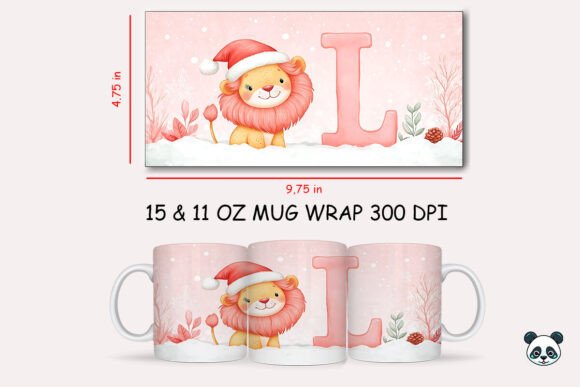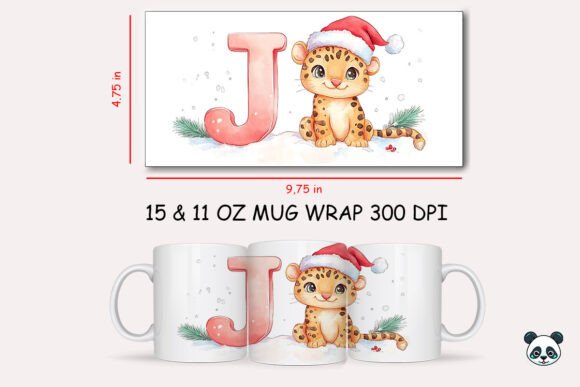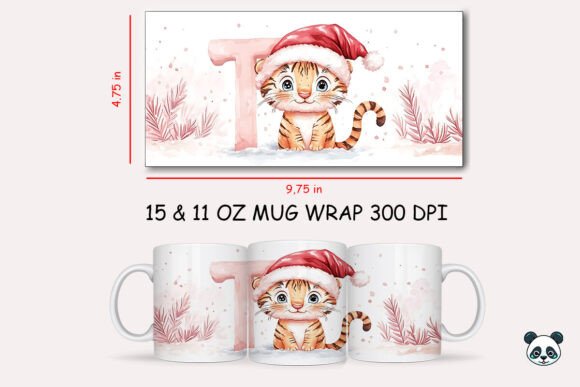
Christmas Baby Letter T with Tiger Mug Wrap
When I pull a new design file into my embroidery software, I am rarely looking for just another pretty picture. As a designer who spends hours troubleshooting stitch paths and debating thread choices, I am looking for viability. Does this design hold up? Is it commercially viable? Will it actually look good when stitched out on the machine? Recently, I came across the Christmas Baby Letter T with Tiger Mug Wrap, and while the title suggests a sublimation or 3D mug wrap template, the visual language of the asset is deeply rooted in the aesthetic of modern holiday embroidery. It presents an interesting case study for how graphic-heavy assets translate into tactile, stitched products.
The first impression of this design is one of cozy, playful nostalgia. The combination of a baby-style letter "T" with a tiger motif immediately signals a specific demographic: new parents, nursery decor enthusiasts, and gift-givers looking for something slightly more unique than standard snowflake patterns. From a design perspective, the layout feels balanced. The tiger element provides a strong focal point, while the lettering anchors the composition. However, as someone who reviews these assets for real-world application, I have to ask: does this work as a machine embroidery design, or is it better suited as a digital graphic for other crafts?
Visual Personality and Mood
This design carries a distinct mood. It is not formal; it is approachable and warm. The "baby letter" style usually implies rounded edges, soft curves, and a sense of innocence. When paired with a tiger, which can often be rendered aggressively, the result here leans toward cute rather than fierce. This makes it highly effective for personalized gifts aimed at babies and toddlers. The color palette implied by the name—likely involving festive reds, greens, or neutral creams with orange accents—fits seamlessly into the broader category of holiday embroidery.
For the Etsy seller or small business owner, this visual personality is a selling point. Customers scrolling through handmade shops are drawn to items that feel personal and themed. A design that says "Baby T" with a tiger character offers immediate customization potential. It allows the buyer to see their child’s initial represented in a fun, thematic way. This emotional connection drives engagement and increases the perceived value of the handmade product.
Real-World Application Scenarios
Let’s talk about where this design would actually live in a finished project. If we treat this as a custom apparel asset, the possibilities are extensive. Imagine a high-quality cotton onesie or a soft fleece sweatshirt. Placing this design on the chest of a baby garment creates a classic, timeless look. Alternatively, scaling it up for a parent’s matching sweatshirt could create a charming "mommy and me" set, which is a perennial bestseller during the holidays.
Another strong use case is home decor. This design translates beautifully to nursery decor. Stitched onto a muslin blanket or a pillow cover, the tiger and letter combination adds a custom touch that mass-produced retail items cannot match. For the craft fair vendor, offering personalized mugs using this graphic (if used as a sublimation print) or embroidered patches for tote bags expands the product line significantly. A tote bag design featuring this motif appeals to young parents who need practical yet stylish bags for diaper changes or grocery runs.
I also see potential in accessories. An embroidered patch version of this design could be ironed or sewn onto denim jackets, caps, or hats. The tiger motif works well on structured fabrics like canvas or twill, providing durability and visual impact. For the digital product seller, offering this as a printable mockup allows customers to visualize the design before purchasing, bridging the gap between digital assets and physical goods.
Technical Considerations and Limitations
However, no design is perfect, and as a reviewer, I must highlight where caution is needed. The primary challenge with designs labeled as "mug wraps" or "3D templates" is their aspect ratio and detail level. If you attempt to digitize this directly for embroidery without proper conversion, you may run into issues with stitch density.
Small details within the tiger illustration or the serifs of the letter "T" might become muddy if the hoop size is too small. Embroidery machines struggle with fine lines and tiny curves, especially on stretchy fabrics. Therefore, testing on scrap fabric is non-negotiable. You must check whether the satin stitch edges remain crisp or if they pucker. If the design relies heavily on fill stitch areas, ensure the underlay is sufficient to prevent the fabric from showing through.
Fabric choice is equally critical. This design should be avoided on thin, slippery, or highly textured fabrics unless stabilized properly. Dark fabrics require careful thread selection to ensure contrast, particularly if the original design assumes a white background. If you are working with stretchy fabric like jersey knit, a heavy stabilizer is required to maintain the integrity of the letter shape. Additionally, curved surfaces like caps or sleeves can distort the geometry of a rectangular mug wrap design, so scaling and positioning adjustments will likely be necessary.
Designer Notes for Execution
To get the best results from the Christmas Baby Letter T with Tiger Mug Wrap, follow these practical steps:
- Test First: Always stitch a test sample on the actual fabric you intend to use. This reveals issues with tension, puckering, or color bleeding that aren't visible on screen.
- Check Contrast: Review the design in black and white mode. Ensure there is enough contrast between the tiger elements and the background fabric to maintain clarity.
- Inspect Details: Zoom in on the smallest details. Are they too small to stitch effectively? If so, consider simplifying the design or increasing the scale.
- Verify Licensing: Before listing any commercial embroidery products on Etsy or your own shop, confirm the license terms. Some digital assets are for personal use only.
- Choose the Right Stabilizer: Use a cut-away stabilizer for woven fabrics and a tear-away for stable knits, ensuring the design doesn't shift during stitching.
- Thread Selection: Select high-quality polyester or rayon threads that complement the theme. Avoid cheap threads that may break or fade after washing.
Final Verdict
The Christmas Baby Letter T with Tiger Mug Wrap is a versatile asset that bridges the gap between digital graphics and physical crafts. Its charm lies in its specificity—it targets a clear audience with a clear emotional appeal. For the creative entrepreneur, it offers a ready-made solution for creating high-value, personalized items during the busy holiday season. While it requires technical diligence to execute perfectly in embroidery form, the payoff in customer satisfaction and sales potential is significant. It is a solid addition to any designer's library for those looking to expand their craft business offerings with seasonal, personalized goods.
Whether you are producing a single personalized gift for a friend or manufacturing a batch of small shop products for online sale, this design provides a strong foundation. Just remember to respect the technical limitations of embroidery, choose your materials wisely, and always prioritize quality control. Done right, this design can help you create memorable, professional-looking products that stand out in a crowded marketplace.