3D Tiger Lily Flower SVG DXF 7 Layer Graphics for Crafts
In the world of digital publishing, the difference between a scroll-past and a click-through is often visual. As a blog designer who has spent years tweaking layouts and optimizing content for readability and engagement, I know that editorial design is not just about typography; it is about setting a mood before the reader even processes a single word. Recently, I evaluated a specific graphic design asset called the 3D Tiger Lily Flower SVG DXF 7 Layer. While marketed heavily within the Crafts community for cutting machines, its potential for high-end web design and content marketing is surprisingly robust. This review explores how this design asset can elevate your brand identity when used correctly in real publishing workflows.
The Editorial Mood: Nature Meets Modern Aesthetics
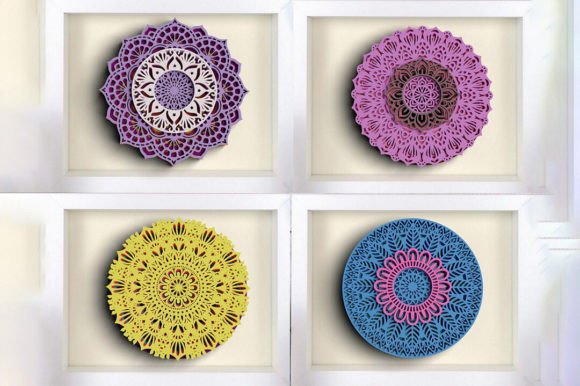
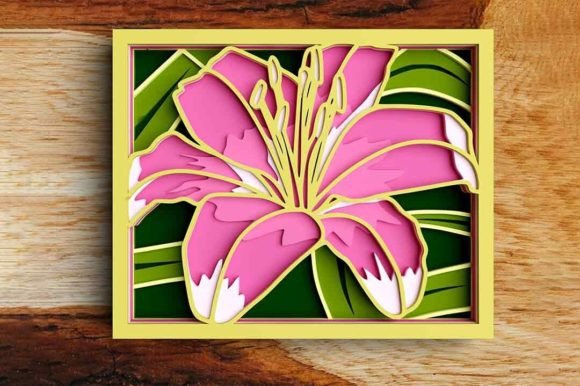
When I first imported the files into my design software, the immediate impression was one of structured elegance. The product description notes that This Tiger Lily Layered Design is another amazing addition for all Nature lovers. This 3D Flower Mandala design consists of 7 Layer and is offered in SVG, DXF, PNG and various other formats. However, from a publisher’s perspective, what stands out is the mandala structure. It provides a natural focal point that guides the eye inward, creating a strong visual hierarchy.
The aesthetic leans toward a modern, clean look with a touch of artistic flair. It is not overly ornate or cluttered, which makes it versatile for lifestyle blogs, wellness newsletters, and educational content. For a website focused on gardening, mental health, or feminine branding, this creative design element adds depth without overwhelming the text. It feels professional yet approachable, striking a balance that is crucial for building reader trust. If your niche requires a playful or highly decorative tone, this digital download delivers that energy through its layered complexity, mimicking the organic beauty of a blooming flower while maintaining geometric precision.
Real-World Publishing Applications
One of the most common questions I receive from affiliate marketers and bloggers is, "Where do I use these vector files?" While they are perfect for physical crafts like vinyl decals or laser-cut wood, their utility in online content is extensive. Because the asset comes in SVG format, it remains crisp at any resolution, making it ideal for responsive website headers and mobile-friendly layouts.
- Blog Featured Images: Use the central mandala as a background element behind your headline. The layered petals create a subtle texture that draws attention to the text without competing with it.
- Pinterest Pins: Pinterest is a visual search engine. A Pinterest pin featuring this Tiger Lily graphic can stand out in a feed filled with flat colors. You can isolate individual layers to create dynamic compositions that encourage clicks.
- Digital Guides and Lead Magnets: When creating a digital guide or worksheet to capture email subscribers, using this printable design as a cover page instantly elevates the perceived value of the freebie. It signals quality and care in production.
- Newsletter Graphics: Email clients can be finicky with images, but SVGs (when converted to PNGs for compatibility) allow for sharp, scalable graphics. Use the tiger lily as a divider or a header accent to break up long blocks of text.
- Social Media Content: For Instagram stories or Facebook posts, this social media graphics asset helps maintain a consistent brand identity. It serves as a recognizable visual anchor for your content series.
Impact on Content Performance and Trust
Why does this matter for your bottom line? In affiliate marketing and content marketing, first impressions dictate engagement. A polished visual system suggests a trustworthy source of information. When you use a cohesive graphic design asset like the 3D Tiger Lily across your site, you signal professionalism. Readers subconsciously associate high-quality visuals with high-quality advice.
Furthermore, proper use of this asset improves click-through potential. By establishing a clear visual hierarchy, you help readers navigate your content more easily. If you use the darker outer layers of the mandala as a frame and the lighter inner layers as a highlight, you naturally direct the user’s eye to your call-to-action buttons or key takeaways. This is not just decoration; it is strategic web design that supports your goals.
Strategic Placement and Visual Context
To get the most out of this modern design, placement is everything. The asset works best in areas where it can breathe. Hero images on landing pages benefit from large-scale versions of the mandala, perhaps with opacity adjustments to blend seamlessly with your brand colors. Article thumbnails should use cropped sections of the flower to create intrigue without losing detail.
However, there are contexts where caution is required. Avoid placing this intricate design over busy backgrounds or small mobile thumbnails where details may become muddy. If your blog layout is already dense with text and multiple images, adding a complex creative design element might create visual noise. Additionally, if you operate in a serious professional niche, such as corporate finance or legal services, this floral motif may clash with the desired tone of authority and minimalism. In those cases, a simpler geometric shape would serve better than a detailed botanical illustration.
Practical Publisher Notes for Implementation
Before integrating this design asset into your workflow, consider these technical checks to ensure optimal performance:
- Test Across Devices: View the graphic on both desktop monitors and mobile screens. Ensure that the fine lines of the 7-layer design remain distinct and do not pixelate or disappear on smaller displays.
- Check Contrast and Readability: Place your headline text over the graphic. Does the contrast hold up? You may need to add a semi-transparent overlay or adjust the brightness of the image to ensure the text remains legible.
- Font Pairing Experiments: Test the tiger lily graphic alongside different typefaces. See how it pairs with a classic serif font for an editorial look, a clean sans-serif for a modern feel, or a script font for a personal blog vibe. The right combination enhances the brand identity.
- Optimize File Size: Even though SVGs are lightweight, if you export them as PNGs for broader compatibility, compress them properly. Large file sizes can slow down your website, hurting your SEO and user experience.
- Verify Licensing: Always confirm the commercial license terms. If you are using this on monetized websites, affiliate pages, or paid digital products, you must ensure you have the right to use the asset commercially. Many marketplaces offer different tiers of licenses, so read the fine print to protect your business.
In conclusion, the 3D Tiger Lily Flower SVG DXF 7 Layer is more than just a craft file; it is a versatile tool for digital publishers. When applied with an understanding of editorial design principles, it can transform ordinary blog posts into visually compelling experiences. Whether you are designing a Canva template for your audience or updating your own site’s aesthetic, this graphic design asset offers the polish and personality needed to stand out in today’s crowded digital landscape.